
Homeowners rarely think about calling an electrician until they need repairs made to their home’s electrical system. And often, this comes along with inconvenient service calls and expensive bills.
Fortunately, there’s an alternative that can save you time and help you avoid headaches: You can have preventative electrical maintenance performed to help catch small issues before they become serious and avoid the need for some repairs altogether.
We’ll explain everything you need to know about preventative electrical maintenance below, including the services it often entails, signs you need preventative maintenance, and the costs associated with these services.
What Is Preventative Electrical Maintenance?
Preventative electrical maintenance is a proactive approach designed to support reliable electrical performance while allowing electricians to identify small issues before they become big problems. Preventative electrical maintenance is generally scheduled in advance, and it’s often offered as part of an ongoing maintenance plan.
Services Included in Preventative Electrical Maintenance
Different preventative maintenance projects include different services, but a few of the most common steps involved include:
- Whole House Safety Inspection: A comprehensive assessment of your home’s electrical system can help reveal minor issues and potential hazards before they turn into serious problems. This kind of inspection ensures that all your home’s electrical components are functioning safely and in compliance with current standards.
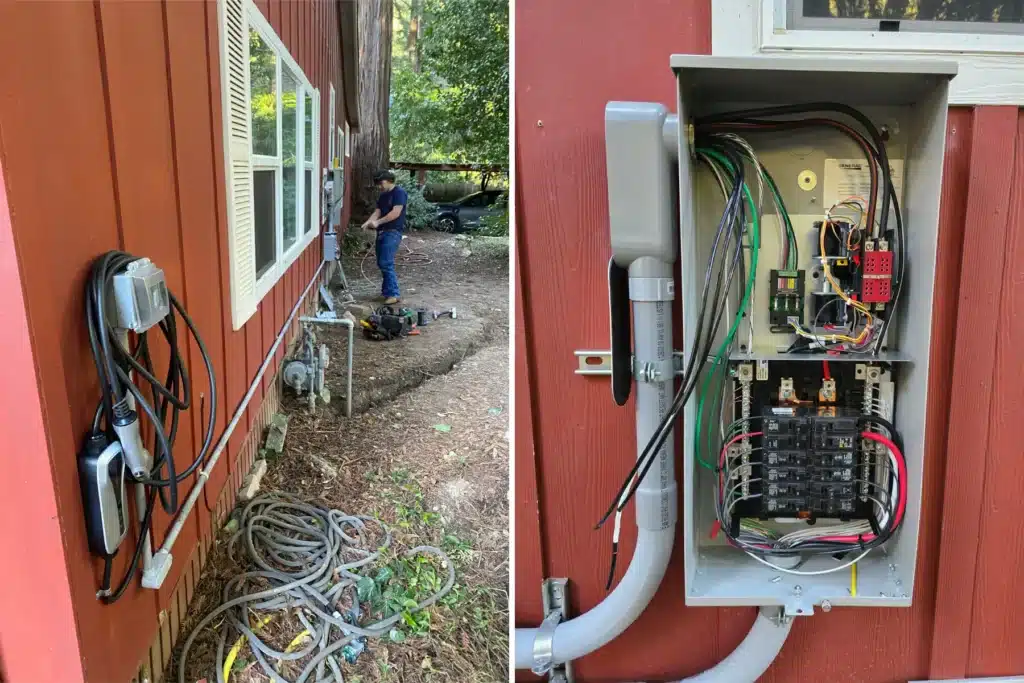
- Panel & Connection Audit: As the central “hub” of your home’s electrical system, things like loose connections, outdated wiring, or improper circuit breakers can pose serious risks. But an electrical panel audit will help ensure it’s wired properly, the connections are secure, and there are no signs of overheating.
- Outlet & Switch Testing: Because outlets and switches are used daily, they regularly fail over time. But proactive testing can help ensure they deliver consistent power and operate correctly, while also verifying that they do not display any signs of wear or internal damage.
- Emergency Cut-off Inspection: In an emergency, you’ll want to be able to shut the power off to your entire home. This is an important capability that can help prevent fires, property damage, or injuries. This kind of inspection ensures your main disconnect is accessible, clearly labeled, and functioning properly.
- Circuit Load Testing: Every circuit in your home has a limited capacity. Exceeding these limits can lead to overheating or repeated breaker trips, but load testing analyzes your current power demands and identifies circuits that may be overloaded.
- Main Meter Check: Your electrical meter plays a critical role in monitoring your energy consumption and ensuring proper connection to the utility supply. Meter checks (also called meter assessments) help ensure the meter is operating correctly, is securely connected, and shows no signs of damage or irregular performance.
- HVAC Component Inspection: One of the largest electrical loads in your home, your HVAC system must be properly supported to function as it should. This kind of inspection verifies that it is connected safely, operating efficiently, and performing reliably.
- Outlet & Appliance Temperature Scanning: Excess heat is often one of the earliest warning signs of electrical problems, but unfortunately, this warmth often goes undetected. Thermal scanning allows your electrician to identify hotspots that may indicate loose connections or failing components.
- Smoke & Carbon Monoxide System Testing: Smoke and carbon monoxide detectors are essential safety devices that must function reliably at all times. By having your smoke and carbon monoxide detectors tested regularly, you’ll enjoy the confidence of knowing your home and family are safe.
- System & Efficiency Consulting: As your home’s power needs evolve, your electrical system may need updates to keep pace. These types of consultations allow your electrician to provide you with recommendations for safety, capacity, and energy efficiency improvements.
- Surge Protection Evaluation: Because power surges can damage sensitive electronics and reduce the lifespan of your appliances, most homeowners should have a whole-home surge protector installed. But even once installed, you’ll want the surge protectors evaluated regularly to ensure they are ready to protect your home.
The Benefits of Preventative Electrical Maintenance
Preventative electrical maintenance offers a number of benefits to homeowners, including:
- Improved Fire Safety: Preventative maintenance can help identify loose connections or arcing wires before they can generate enough heat to start a structural fire.
- Extended Appliance Lifespans: By ensuring stable voltage and clean power delivery, you can help protect the sensitive circuit boards present in modern fridges, washers, and TVs.
- Reduced Emergency Repair Costs: Addressing minor issues during scheduled visits will almost always be significantly cheaper than finding yourself in need of emergency repairs.
- Lower Energy Bills: Finding and fixing high-resistance connections and overloaded circuits ensures your system operates at peak efficiency and prevents you from needlessly wasting electricity.
- Confidence in Safety Devices: Verifying that your GFCIs, AFCIs, smoke detectors, and carbon monoxide detectors will work properly when you need them most will help keep your family safe.
- Home Insurance Compliance: Many insurance providers offer better rates for homeowners who can provide documentation of professional electrical safety inspections or preventative maintenance.
And perhaps most importantly, preventative electrical maintenance provides lasting peace of mind. By obtaining a documented, clean bill of health for your home’s electrical system, you’ll sleep better at night.
How Much Does Preventative Electrical Maintenance Cost?
Most electrical contractors offering preventative maintenance develop their own prices and packaging, which means that the associated costs vary quite a bit.
For example, some electricians may offer individual preventative maintenance visits or safety inspections. These will typically cost between $100 and $500, depending on the exact nature of the services provided.
Other electrical contractors — like the Alpha Omega Electric team — offer preventative maintenance memberships. These not only provide basic preventative maintenance services but also things like priority scheduling and discounts on additional services.
We offer three different membership tiers, with monthly rates ranging from $49 to $89.
Preventative Electrical Maintenance: FAQ
Still have questions about preventative electrical maintenance? We’ve rounded up a few of the most common questions our customers have and answered them below.
What are the examples of electrical preventative maintenance?
Examples of preventative electrical maintenance include electric panel inspection, GFCI testing, emergency cut-off inspection, and system efficiency evaluations.
What is the 80% rule for electrical circuits?
The 80% rule states that each individual circuit breaker in your home should only be continuously loaded to a maximum of 80% of their rated capacity.
What are the signs my house needs rewiring?
A few of the most common signs indicating that your home may need to be rewired include burning smells, switches or outlets that are warm to the touch, climbing electric bills, and repeated breaker trips.
How to tell if a house has old wiring?
There are a number of ways to determine if your home’s wiring is old, but one of the easiest is to inspect your electrical panel. Modern panels feature circuit breakers, while homes with old wiring will often have actual fuses rather than breakers.
At what age should a house be rewired?
Some homes may require rewiring after 25 to 40 years, but the need depends on the condition of the wiring, the materials used, and current electrical demands.
What are some of the most common causes of electrical problems?
Many electrical problems can be traced back to the kinds of simple issues preventative maintenance is designed to address. This includes things like loose wiring, electrical shorts, and worn-out components (such as switches and outlets).
Can you stay in your home during preventative electrical maintenance?
Yes, you can remain in your home during preventative electrical maintenance services, though you may briefly lose power at several points during the process. Electrical maintenance work can also be somewhat noisy at times, as your electrician may need to crawl through your attic, transport equipment, or access various portions of your house.
Get the Preventative Electrical Maintenance You Need
If you’d like to get ahead of problems and start enjoying the benefits preventative electrical maintenance provides, contact the Alpha Omega Electric team now. With more than 50 years of combined experience, our C-10 electricians will be happy to provide the tailored maintenance services your home needs.
Whether you’re in Sunnyvale, Saratoga, Santa Clara, Scotts Valley, or anywhere else in Santa Clara County, Santa Cruz County, or Monterey County, our electricians are standing by and ready to help! Contact us today to get started.
Sources and References
- Angi – “Electrical Inspection Checklist: What to Look For”
Provides a practical homeowner-focused checklist covering panels, wiring, outlets, and common signs of electrical issues.
https://www.angi.com/articles/electrical-inspection-checklist.htm - Osceola Electric – “Protect Your Older Home from Electrical Hazards”
Explains common risks in older homes, such as outdated wiring, overloaded circuits, and inadequate grounding, emphasizing the need for upgrades.
https://www.osceolaelectric.com/protect-your-older-home-electrical-hazards - Family Handyman – “Electrical Safety Checks Homeowners Should Do Every Year”
Outlines routine safety checks homeowners can perform annually to identify hazards like damaged cords, faulty outlets, and overloaded circuits.
https://www.familyhandyman.com/list/electrical-safety-checks-homeowners-should-do-every-year/ - Electrical Safety Foundation International – “Electrical Fire Safety Checklist”
Provides a comprehensive safety checklist focused on preventing electrical fires through inspection, maintenance, and safe usage practices.
https://www.esfi.org/wp-content/uploads/2021/06/Electrical-Fire-Safety-Checklist.pdf - U.S. Consumer Product Safety Commission – “Home Electrical Safety Checklist”
Offers a detailed, room-by-room inspection guide to help homeowners identify and address electrical hazards before they cause injury or fire.
https://www.cpsc.gov/s3fs-public/513.pdf


