
There’s definitely something to be said for enjoying a good flick on the big screen. It’s a truly immersive experience that is just more fun than watching a movie on a standard TV. But in the modern world, you can enjoy a true movie-theater experience right in the comfort of your own home — something more and more homeowners are doing, given the myriad benefits it provides.
Read on to learn about seven of the most important benefits of having a home theater set up in your home and learn the answers to a few of the most common questions homeowners have.
7 Benefits of Setting Up Your Own Home Theater
There are likely countless reasons you’ll enjoy having your own private movie theater, but the following seven benefits are some of the primary reasons home theaters are becoming so popular.

1. Scheduling
When you have your own home theater, you can schedule your movies whenever you like (and change that schedule as circumstances demand). This means you no longer have to worry about rushing through dinner or allowing enough time to find parking to make it to your seat on time. Now, you can take your time, relax, and simply hit “play” once you’re in your seat and ready to watch.
2. Movie Lineup
Finding a good movie at a local theater can sometimes be challenging, and you only have a finite period of time to see many movies. But when you own the theater, you can watch just about any movie you’d like. Whether your preferred movie is playing on a streaming platform or you want the old-school DVD or Blu-ray experience, you’re in complete control of the films you watch.
3. No Crowds
It can be fun to watch a movie with other people, but at times, those other people can create problems. From talking loudly through the movie to taking all of the good seats, typical movie theater crowds can dampen your movie-going experience. But that’s not a problem when you have your own theater — it’ll just be you and the friends or family members you invite.
4. Better, Cheaper Snacks
Snacking during a movie is not optional for many film lovers. But whether you like salty stuff, sweet treats, or you want a little bit of everything, one thing is certain: Movie theater snacks are incredibly expensive and often rival the cost of the actual tickets. But when you have your own theater, you get to have any snacks you like, and they’ll almost always be much, much cheaper.
5. Play, Pause, and Rewind Control
It’s easy to miss key details during a movie (and nature always seems to call during the most exciting or pivotal scenes). But when you have your own in-home theater set up, you are in total control. You can pause the movie whenever you like and even rewind the film to enjoy particularly awesome sequences a second or third time.
6. Other Kinds of Entertainment
Home theaters are certainly great for screening movies, but that’s not the only kind of entertainment they’re ideal for. Sporting events, for example, can be a blast to watch in a home theater, while gorgeous nature documentaries can be jaw-dropping when viewed on a big screen. You can even invite friends over to watch your favorite sitcoms on the big screen, and your kiddos will love watching their favorite programs and cartoons in the theater, too.
7. Increased Home Value
Movie theaters not only make your home more enjoyable for you in the present, but they’ll also help you pocket more cash when you decide to sell your home. While there are rarely guarantees when it comes to the ROI of different home improvement projects, professionally installed theaters almost always allow homeowners to raise their asking price. Additionally, a well-designed home theater will simply make your home more appealing to potential buyers.
What’s Involved in a Home Theater Installation?
Installing a home theater isn’t just about mounting a big screen and plugging in some speakers — it’s about creating a cohesive, immersive environment where picture, sound, and comfort come together seamlessly. Typically, setting up a home theater involves the following steps and considerations.

1. Room Selection and Layout
The first step in setting up a home theater is choosing the right space. A dedicated basement or bonus room is ideal, but anywhere you can control the lighting and limit external sound will work. The layout is then designed, while considering things like:
- Viewing angles
- Acoustics
- Seating distance
- Access (walkways through the theater)
- Control system placement
2. Wiring and Electrical Setup
With the basic layout established, you can then focus on wiring everything properly. You’ll usually need a professional to help with this step in the process, as theater wiring involves several key components:
- Power outlets for equipment
- HDMI and audio cables
- Network cables for streaming
- Wiring in-wall or ceiling speakers
Some installations may also require electrical upgrades, like adding a dedicated circuit or surge protection.
3. Display Installation
There are a number of different types of displays you can choose, and each offers a different set of pros and cons. Ideally, you’ll discuss your desires with a licensed electrician who has experience designing and installing home theaters to make sure you end up with the perfect choice for your situation.
However, large 4K TVs and full projector-and-screen setups are both common choices. No matter what kind of display you choose, you’ll want to match the screen size to the room dimensions, viewing distance, and lighting conditions.
4. Audio System Configuration
Sound is what transforms a basic media room into a true in-home movie theater. As with the display, you have several options available, including:
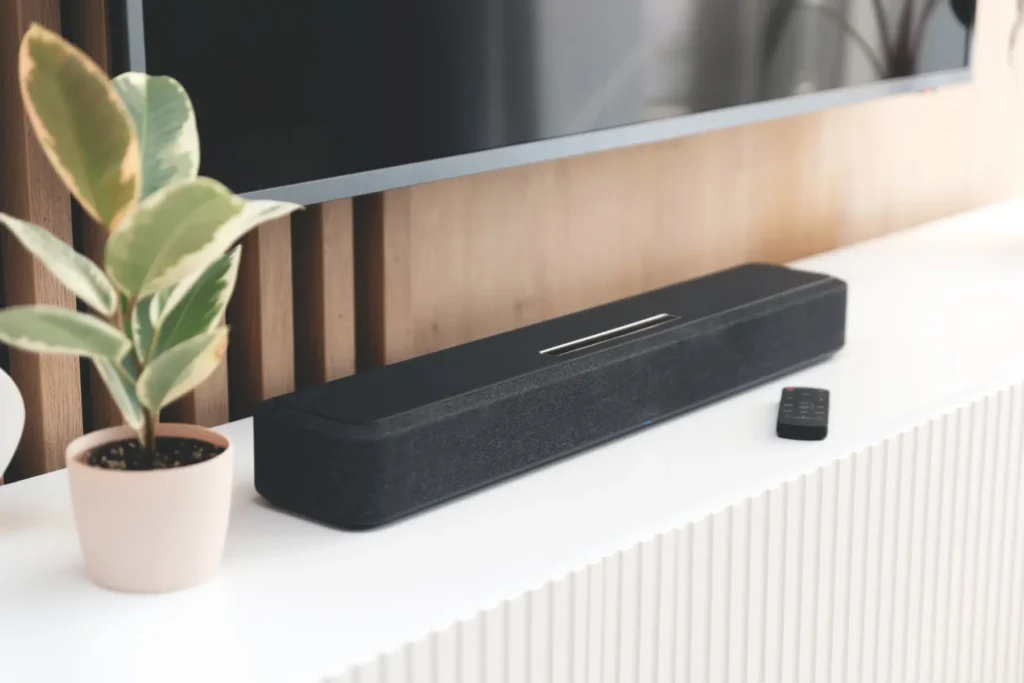
- Soundbars (ideal for small spaces)
- 5.1 or 7.1 surround sound systems
- Dolby Atmos setups with in-ceiling or up-firing speakers
Speaker placement is also important to consider, as it’s critical for accurate, immersive sound.
5. Acoustic Treatments and Soundproofing
To minimize echo, control the amount of reverb that’s produced, and eliminate as much outside noise as possible, many home theaters benefit from soundproofing measures and other kinds of acoustic treatments. A few of the most common additions include:
- Acoustic wall panels
- Carpeting or area rugs
- Heavy curtains or blinds (these not only help reduce external noise but also light)
You may also want to add soundproof drywall or insulation, but this isn’t required.
6. Lighting Design
While you can simply turn the room lights off while enjoying your home theater, dimmable lighting provides more control over the ambiance and ensures you can still see your snacks and move around safely without distracting from the screen. Many dimmable lighting systems include:
- Recessed ceiling lights
- LED strip accents
- Step or aisle lighting for safety and ambiance
Many of these types of lights can be controlled via a remote control, which provides additional comfort and convenience.
7. Equipment Setup and Calibration
One of the most important steps in setting up a home theater, you’ll need your electrician to set up and calibrate all of the equipment to ensure it works as intended. This includes installing things like:
- The AV receiver
- Any streaming devices or Blu-ray players you’ll be using
- Any game consoles you want to use in the theater
- All of the remotes and smart home control systems you need
Then, once these systems have been installed, they can be calibrated for optimal video and audio performance.
8. Seating and Finishing Touches
With all of the electronics and AV devices set up and ready to go, you can turn your attention to the creature comforts — especially seating. From reclining theater seats to cozy sectionals, the right furniture makes a big difference. For bonus points, you may even want to include:
- Raised platforms for tiered seating
- Cup holders and tray tables
- Themed décor or wall treatments
Your imagination and budget are really the only limiting factors here, so don’t be afraid to make your home theater one you can’t wait to enjoy!
Setting Up a Home Theater: FAQ
Still have questions about setting up a home theater or some of the benefits it provides? We’ve rounded up some of the most common questions we hear from homeowners and answered them below!
How much value does a home theater add to a house?
The exact value a home theater will contribute to your home will vary based on a variety of factors, but some real estate agents report an average increase of 10% to 20%. However, it is critical that you have a home theater installed professionally to enjoy the greatest ROI.
Why do people like home theaters?
People enjoy home theaters for a variety of reasons, including the additional convenience they provide, the ability to watch movies (or other kinds of programming) whenever they like, and the chance to enjoy better, more affordable snacks while watching.
What is the lifespan of a home theater system?
The lifespan of any home theater will vary based on the specific equipment selected. The first piece of equipment to wear out will usually be the actual projector, which typically lasts for about 7 to 9 years. Speakers and many other components may last for 20 years or more.
Are home theaters still a thing?
You bet! In fact, home theaters are becoming more popular every year as homeowners look for ways to increase the value of their home and enjoy the movie-watching experience more.
What is a good-sized room for a home theater?
A good rule of thumb is that most home theaters should be at least 15 feet by 20 feet, with a minimum of a 7-foot-high ceiling.
Let Alpha Omega Electric Set Up Your Home Movie Theater
No matter why you want to set up a home theater, you’ll likely be much happier with the final result if you get installation help from a group of home theater experts, like the team at Alpha Omega Electric.
From Carmel-by-the-Sea to Aptos to Mountain View and everywhere between, our professionals provide the best AV solutions in Santa Clara and Santa Cruz counties. Let us help you and your family enjoy a true movie-theater experience in the comfort of your home.
Contact us today to schedule your free estimate!


